Spices of Sri Lanka
Cloves
Karabu nati · the flower bud that travelled the world
Ayubowan! Today, let us get to know a small spice with a big, warm fragrance. Cloves, or karabu nati in Sinhala. What they are, how they grow in Sri Lanka, and what they may do for our health.
What it is
A flower bud, not a seed
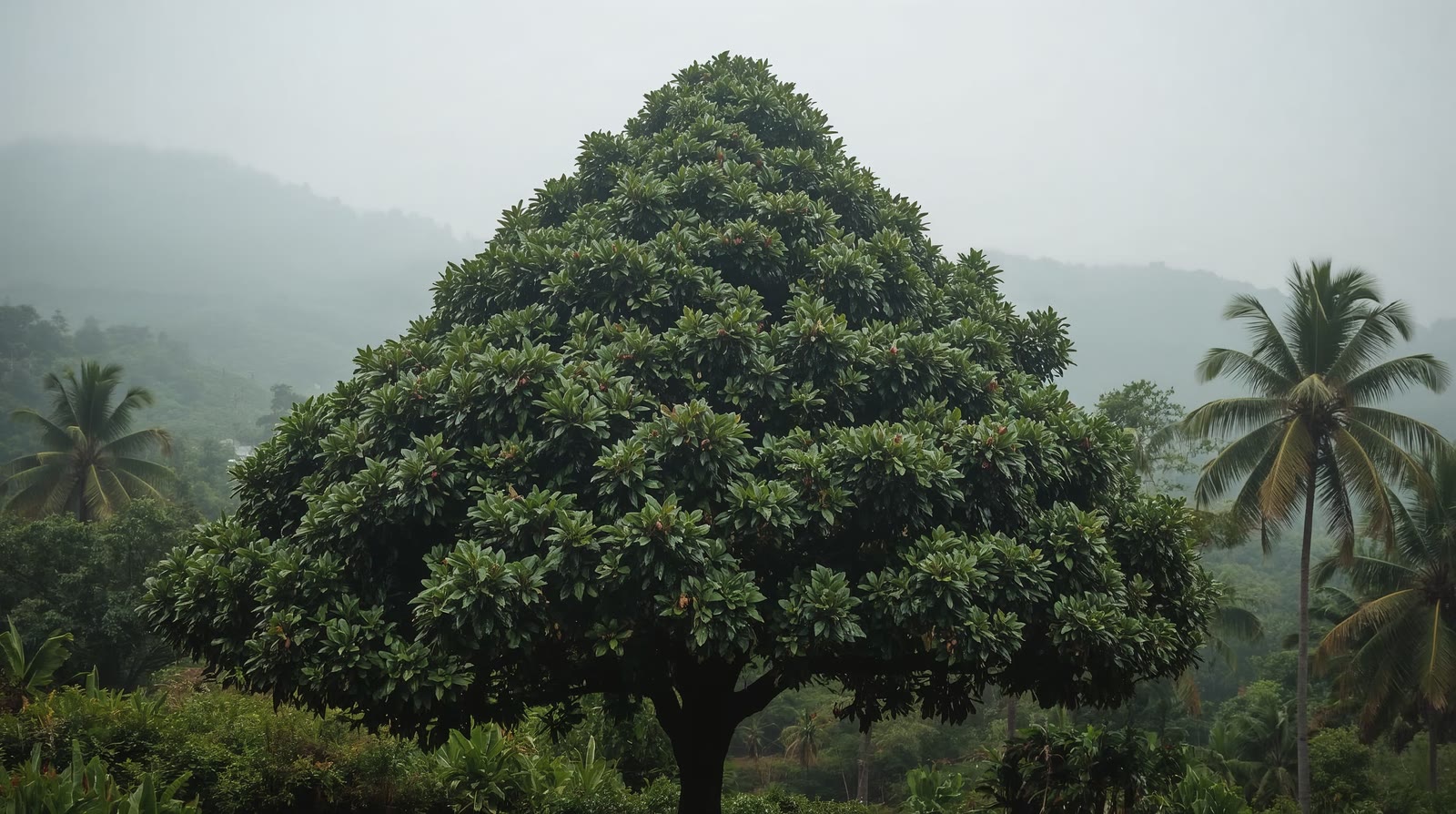
Cloves grow on a tall evergreen tree, with a thick, cone-shaped crown of glossy leaves. A grown tree can reach fifteen to twenty metres.
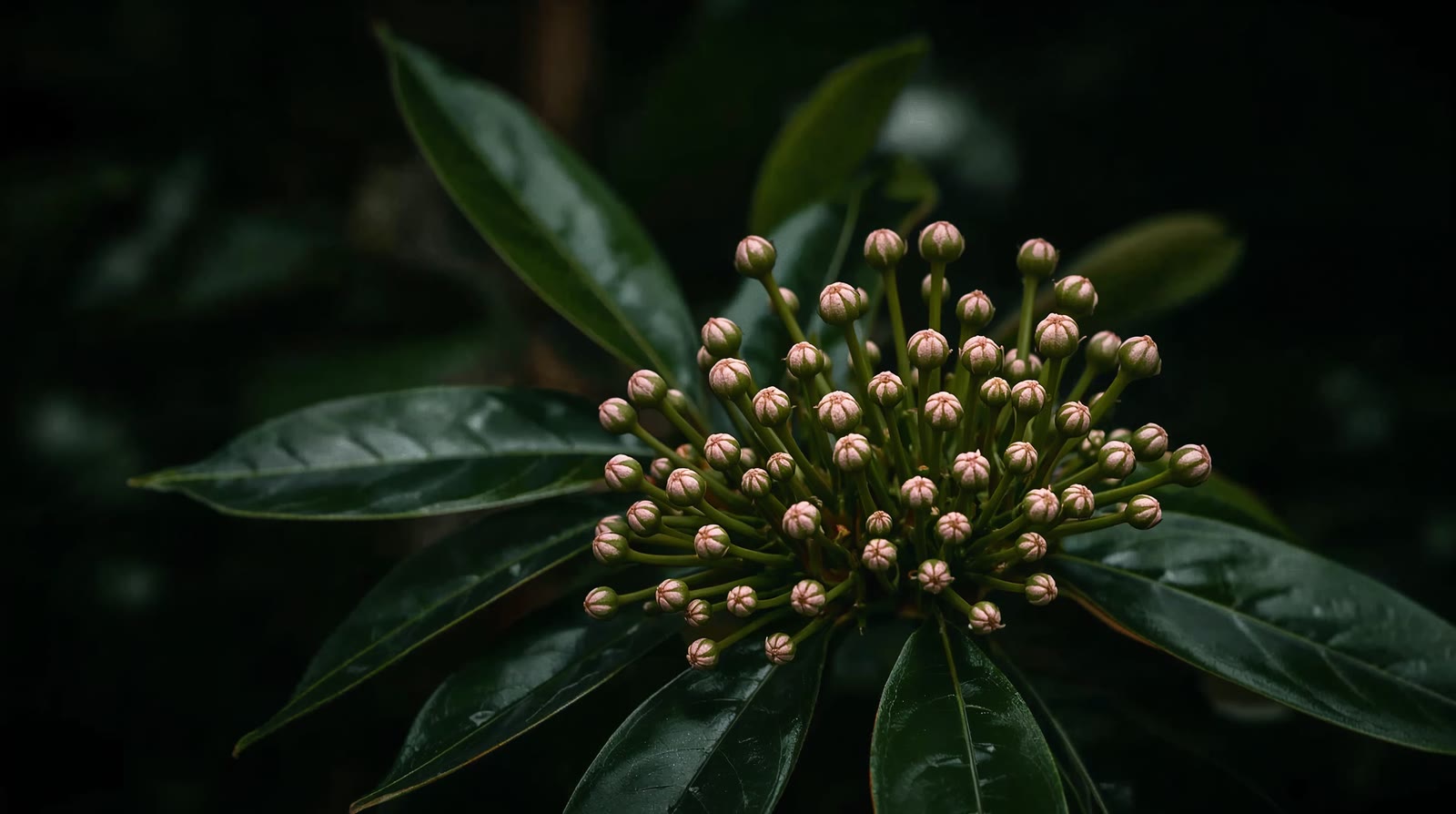
But a clove is not a seed, and not a fruit. It is a flower bud, picked before it ever opens.
Scientists call the tree Syzygium aromaticum. It belongs to the same plant family as jambu and guava.
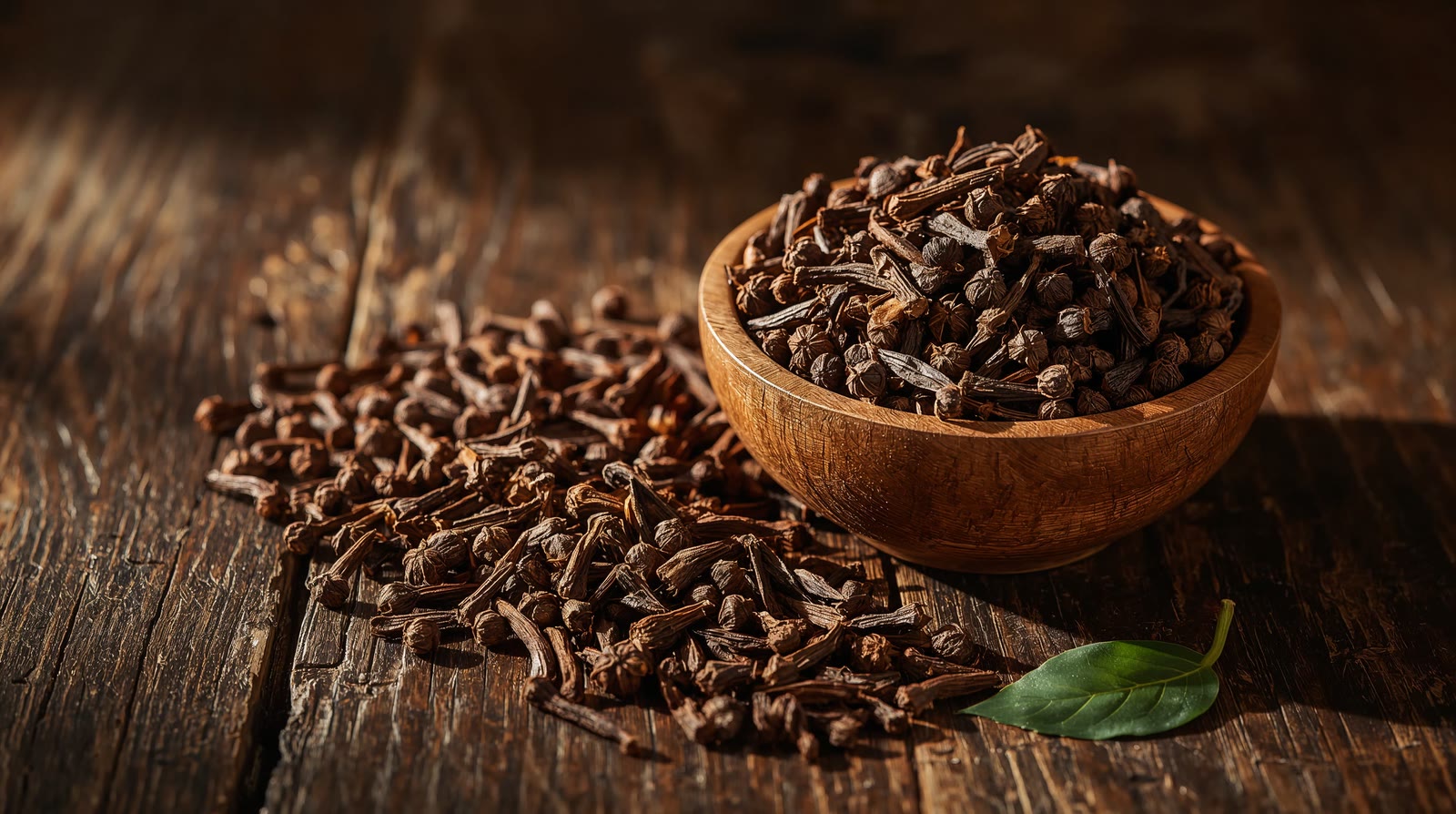
The English word clove comes from an old French word for nail, because each one looks like a tiny nail.
- The tree
- Evergreen tree, 15–20 m tall
- The spice
- The unopened flower bud
- Scientific name
- Syzygium aromaticum
- The name clove
- From French clou, “nail”


History
A long journey
The clove's first home is the Maluku Islands of Indonesia, a few small volcanic islands known as the Spice Islands.
In ancient China, it is said, officials of the Han court held cloves in their mouths to sweeten their breath before speaking to the emperor.
About fifteen hundred years ago, a merchant from Alexandria wrote that cloves came to our island from the East, and were traded on from here.
Later, Dutch traders tried to keep every clove tree for themselves. But around seventeen seventy, seedlings were secretly carried away, and cloves spread across the tropics.
- First home
- Maluku Islands, Indonesia
- Ancient China, the Han court
- Cloves to sweeten the breath
- About 1,500 years ago
- Traded on through our island
- Around 1770
- Seedlings carried away; cloves spread

In Sri Lanka
At home in the hills
No one knows exactly when cloves came to Sri Lanka. Arab traders, or colonial rulers, may have brought them.
Today, cloves grow mainly in Sri Lanka's wet mid-country, in the Kandy, Kegalle and Matale districts.
The tree loves warm, humid weather and good rain. But to flower well, it also needs a dry spell between the rains.
- When it came
- Unknown: perhaps Arab traders or colonial rulers
- Where it grows
- The wet mid-country
- Main districts
- Kandy · Kegalle · Matale
- Climate
- Warm and rainy, with a dry spell to flower
The harvest
From pink bud to brown clove
The harvest usually runs from December to April.
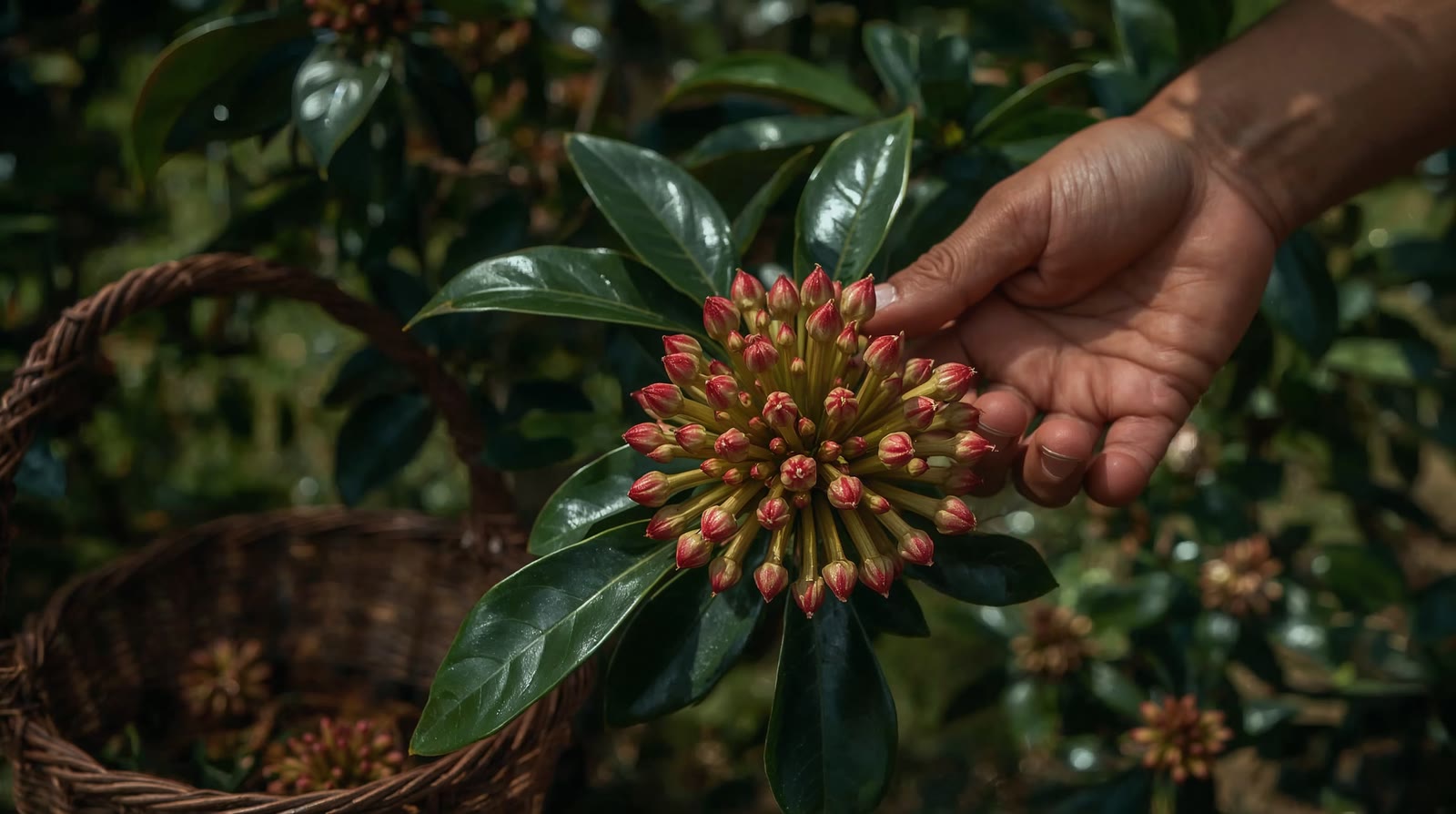
The bud clusters are picked by hand as they turn from green to a soft pink, just before the flowers open.
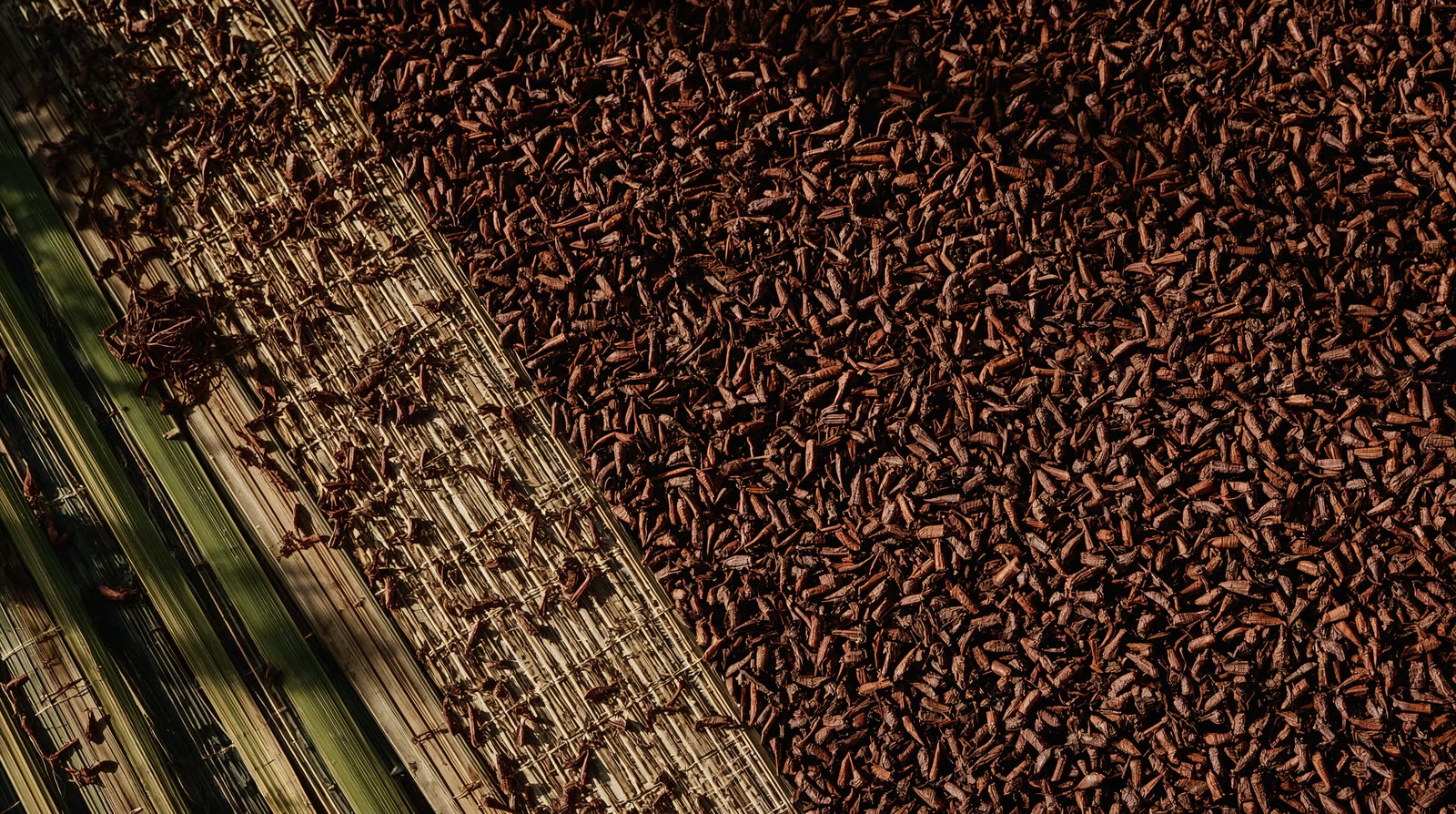
Then the buds are dried in the sun, until they are dark brown and hard.
Drying takes away most of the weight. One hundred kilos of fresh buds give only about thirty kilos of cloves.
- Before they open
- Picked by hand as green turns pink
- Drying
- Sun-dried until dark brown and hard
A closer look
The parts of a clove
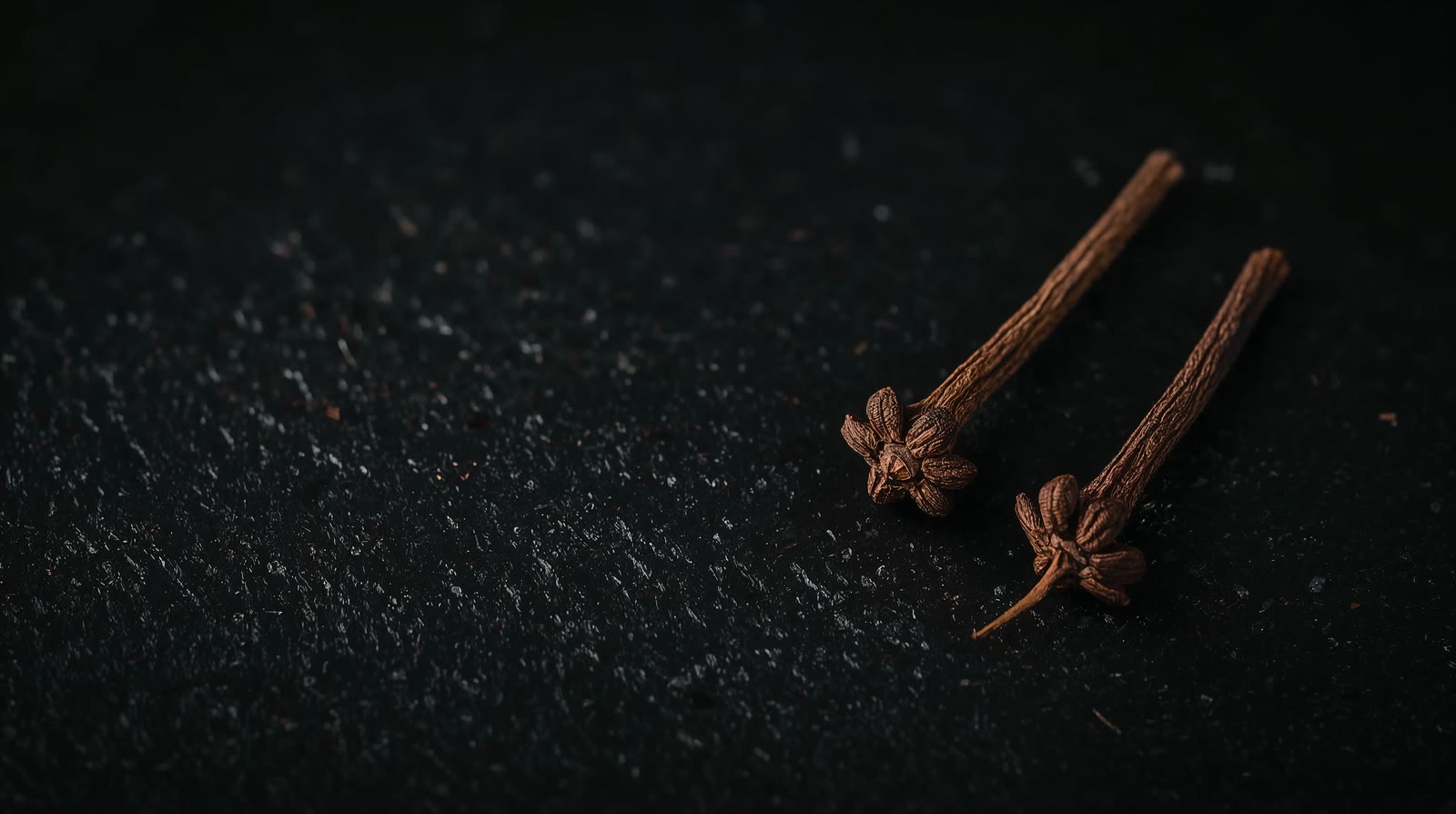
Now, let us look closely at a single clove.
The little ball on top is the petals, still folded tightly together.
Around it, four small points hold the bud, like a tiny crown.
The long stem below is the base of the flower. And the whole bud is full of fragrant oil.
Inside the bud
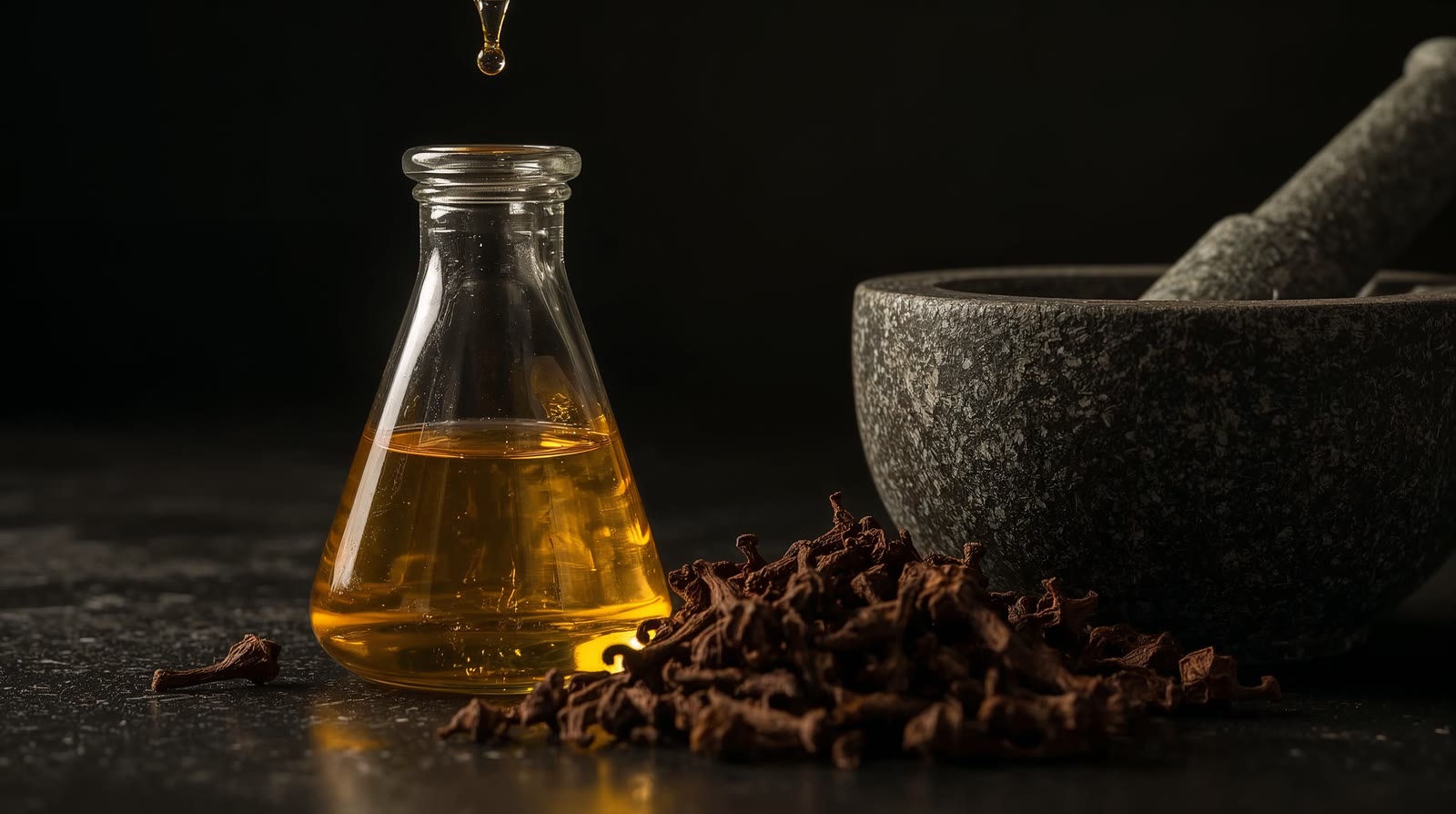
The oil and its eugenol
In a dried clove, this oil can make up as much as eighteen percent.
And seventy to ninety percent of that oil is one natural compound, eugenol. It gives cloves their warm bite, and their slightly numbing feel.
Sri Lanka's Export Development Board describes Ceylon cloves as richer in oil than cloves grown elsewhere.
- Ceylon cloves · Export Development Board
- Described as richer in oil
Tradition and home
From home remedy to the kitchen
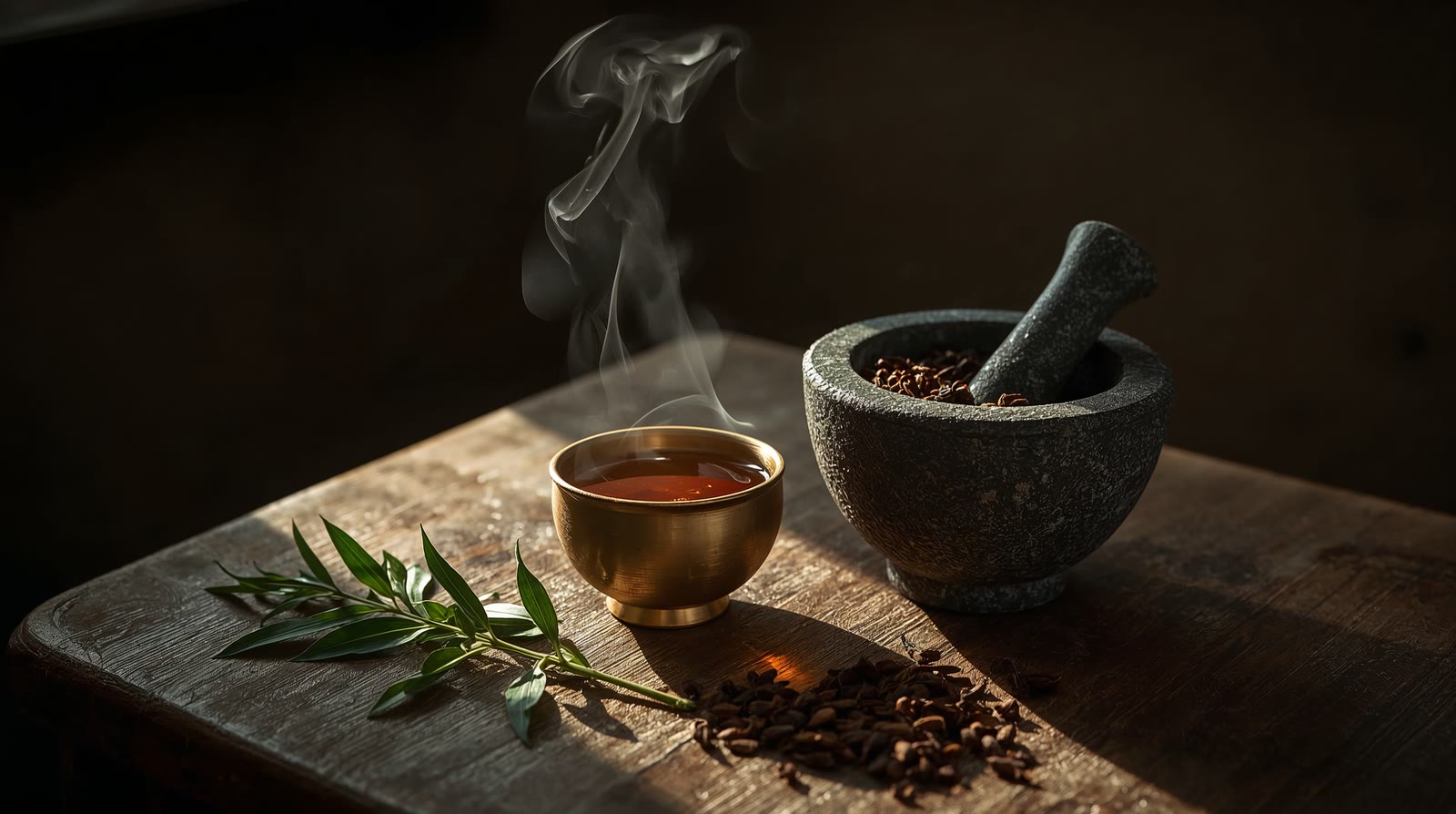
For centuries, people have placed a clove, or a drop of clove oil, beside an aching tooth.
People chew a clove to freshen the breath, and use it at home for digestion and an upset stomach.
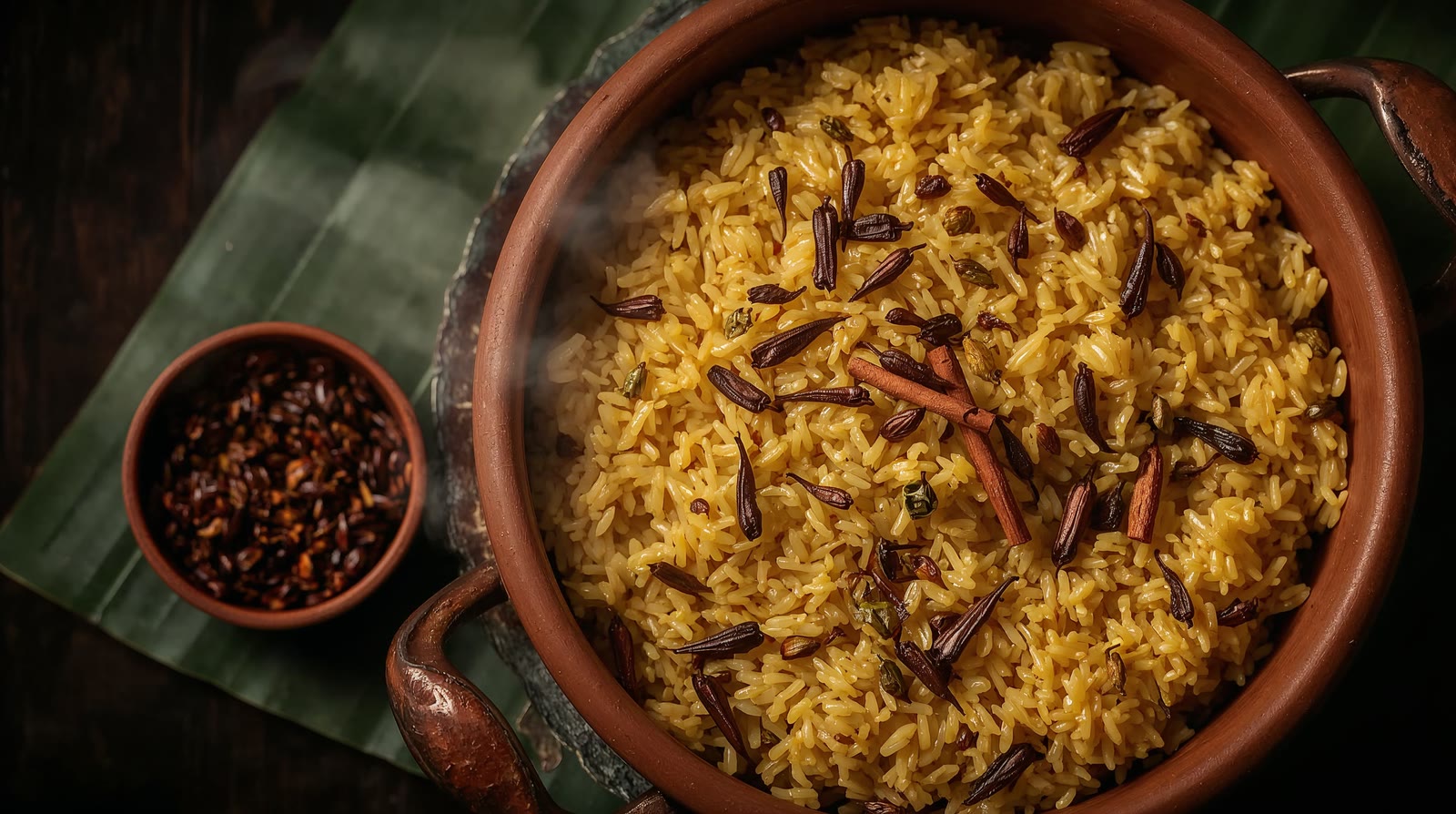
And in our kitchens, cloves bring warmth to curry powders, rice dishes, pickles and sweets.
- For centuries
- A clove beside an aching tooth
- Chewed for
- Fresh breath
- Used at home for
- Digestion and an upset stomach
- In the kitchen
- Curry powders, rice, pickles and sweets

Research
What does research say?
So, what does research say about its benefits?
In one comparison of twenty-six spices, cloves had the most antioxidants. And in the laboratory, clove oil stopped many kinds of germs from growing.
In one small study with seventy-three adults, a clove gel on the gum eased the prick of a needle about as well as a common numbing gel.
But most of this evidence comes from the laboratory. Scientists say larger, careful studies in people are still needed.
- Laboratory test
- Most antioxidants of 26 spices compared
- Laboratory
- Clove oil stopped many germs growing
- One small study · 73 adults
- Clove gel eased needle pain like a numbing gel
- But
- Larger studies in people still needed
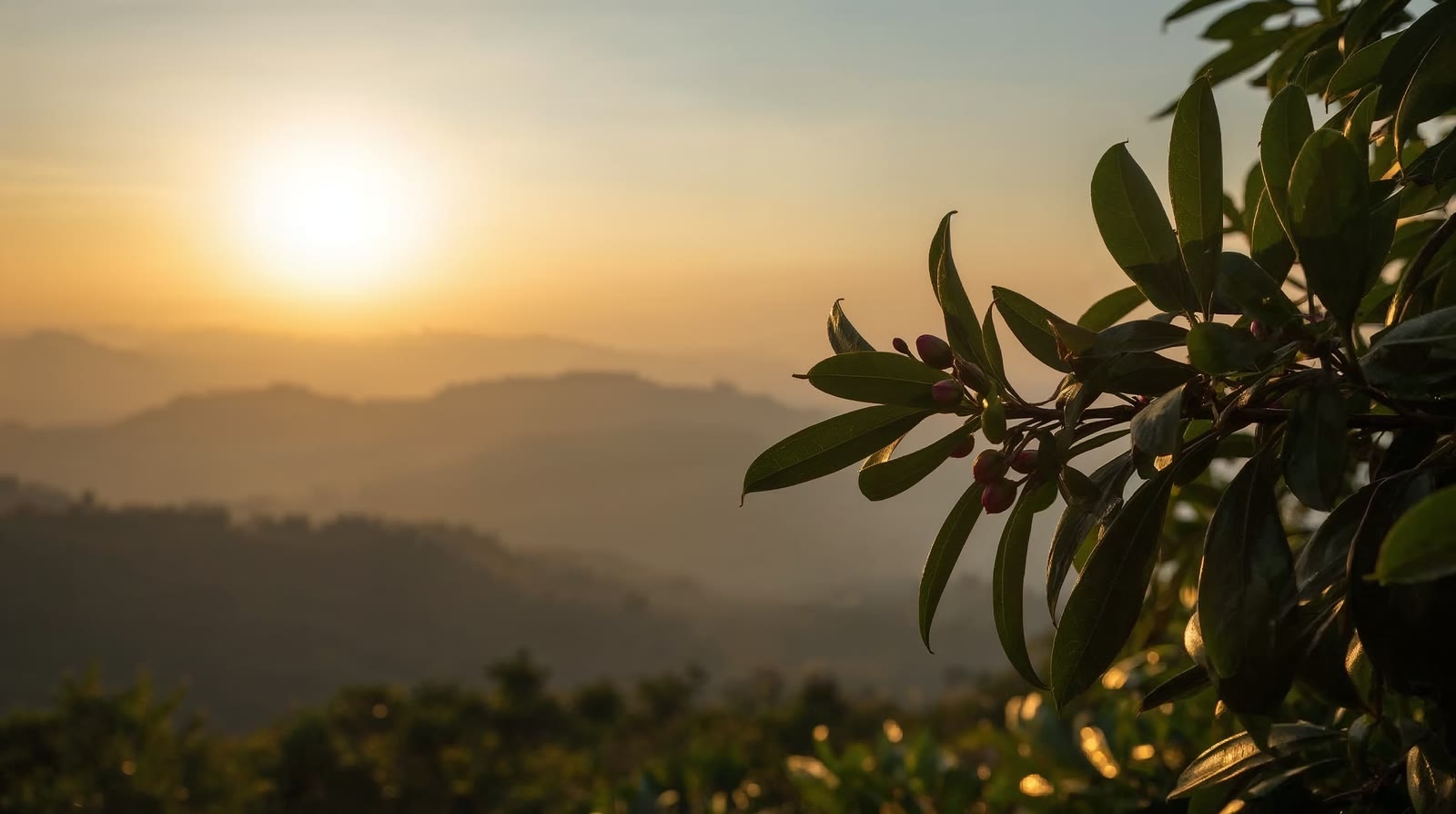
Cloves
A treasure of our hills
Cloves. A flower bud, picked before it blooms, and dried in our island's sun.
A small spice that travelled a long way. Worth knowing, and worth protecting.
For general education only. This is not medical advice. Concentrated clove oil is strong: never swallow it, and keep it away from children. Images are AI-generated illustrations, not documentary photographs.