Spices of Sri Lanka
Cinnamon
The spice that carried Ceylon's name around the world
Ayubowan! Today, let us get to know one of the world's best-loved spices. Cinnamon. What it is, why Sri Lanka's cinnamon is special, and what it may do for our health.
What it is
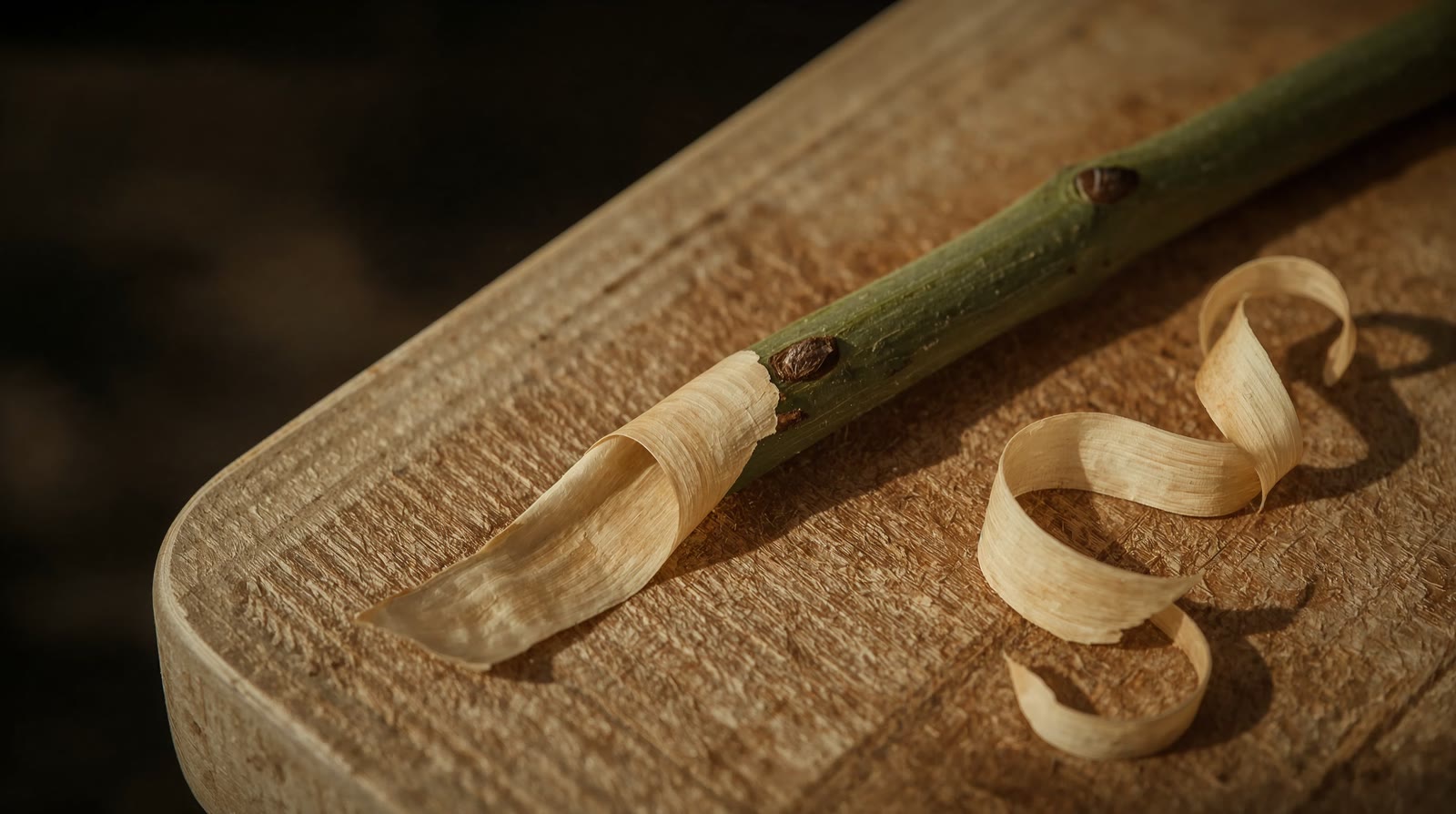
The bark of a tree
Cinnamon is not a seed, and it is not a fruit. It is the dried inner bark of an evergreen tree.
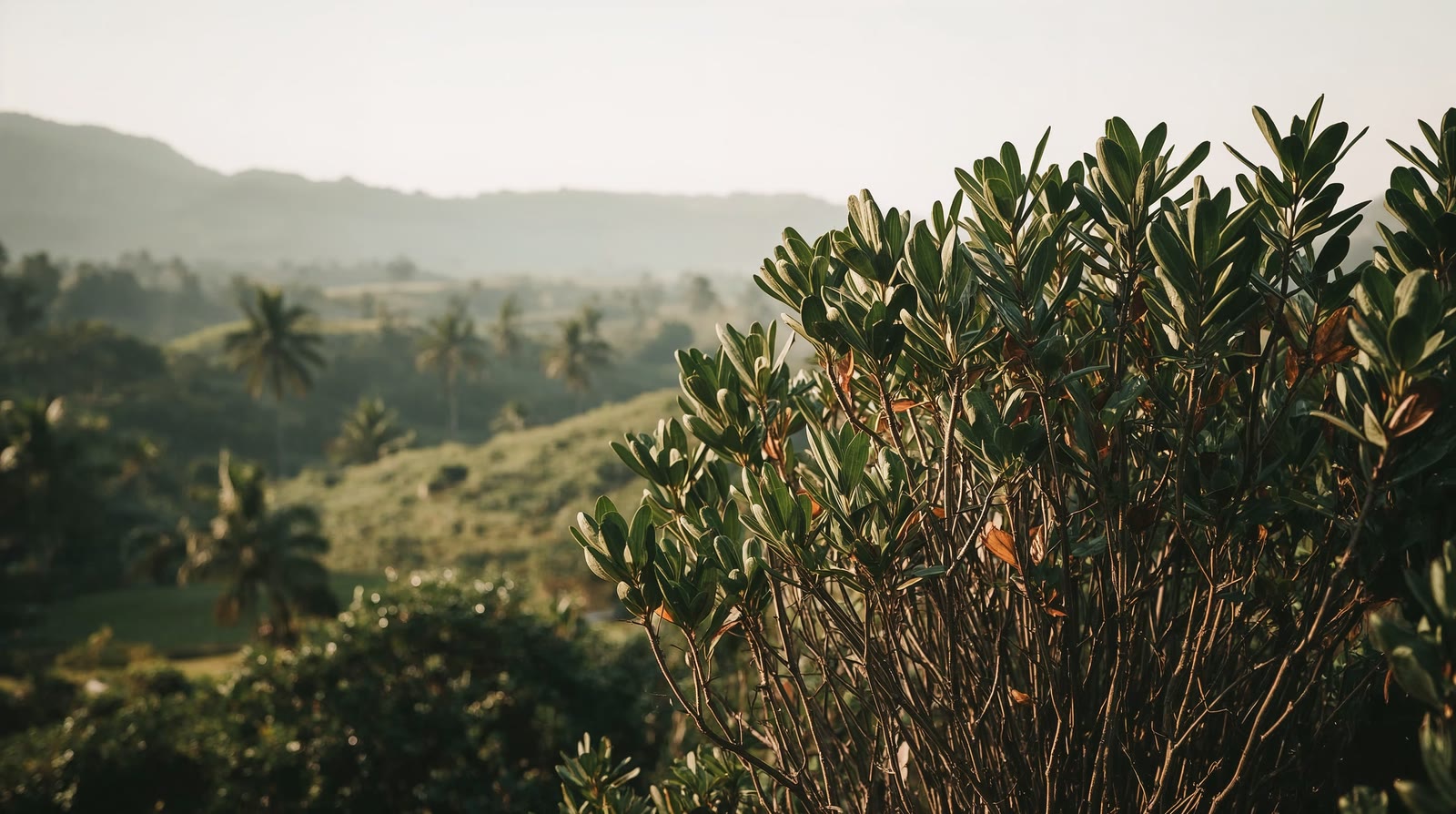
True cinnamon comes from a tree that scientists call Cinnamomum verum, and it is native to Sri Lanka.
That is why the world knows it as Ceylon cinnamon. In Sinhala, we call it kurundu.
- The spice
- Dried inner bark of an evergreen tree
- Scientific name
- Cinnamomum verum
- Home
- Native to Sri Lanka
- Known as
- Ceylon cinnamon · kurundu

History
Treasured for thousands of years
Cinnamon has been traded for thousands of years. Historians say it reached ancient Egypt some four thousand years ago.
For centuries, merchants kept its source a secret. Later, the Portuguese, the Dutch and the British each took control of this island's cinnamon trade.
Today, the name Ceylon Cinnamon is protected in the European Union, for cinnamon grown and prepared in Sri Lanka.
- About 4,000 years ago
- Reached ancient Egypt
- For centuries
- Merchants kept its source a secret
- Later
- Portuguese, Dutch and British rule of the trade
- Since 2022
- “Ceylon Cinnamon”, a protected name in the EU
The craft
Made by skilled hands
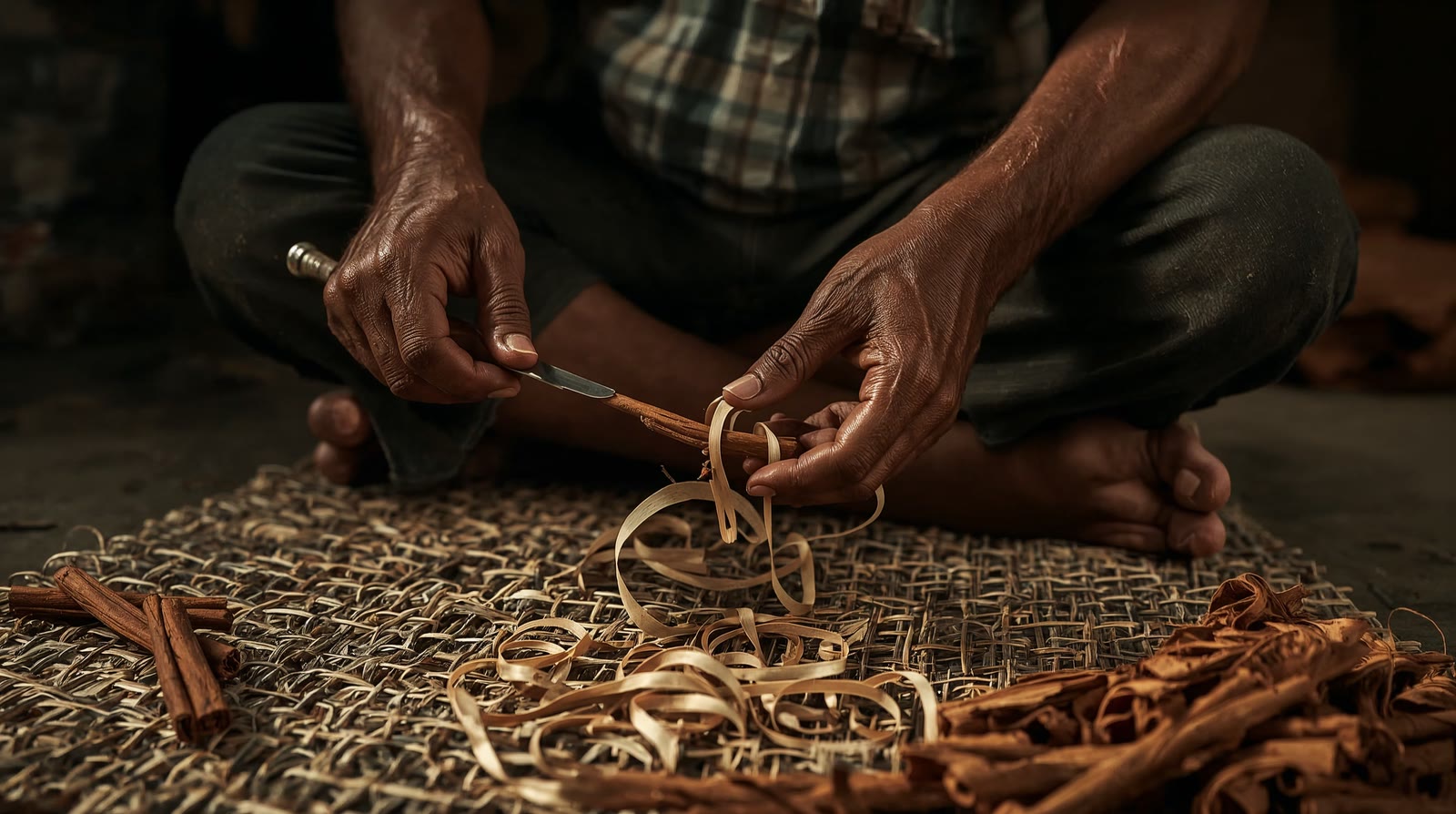
Making cinnamon is a craft, handed down through generations.
Skilled peelers scrape away the rough outer bark, then gently lift the thin inner bark in one piece.
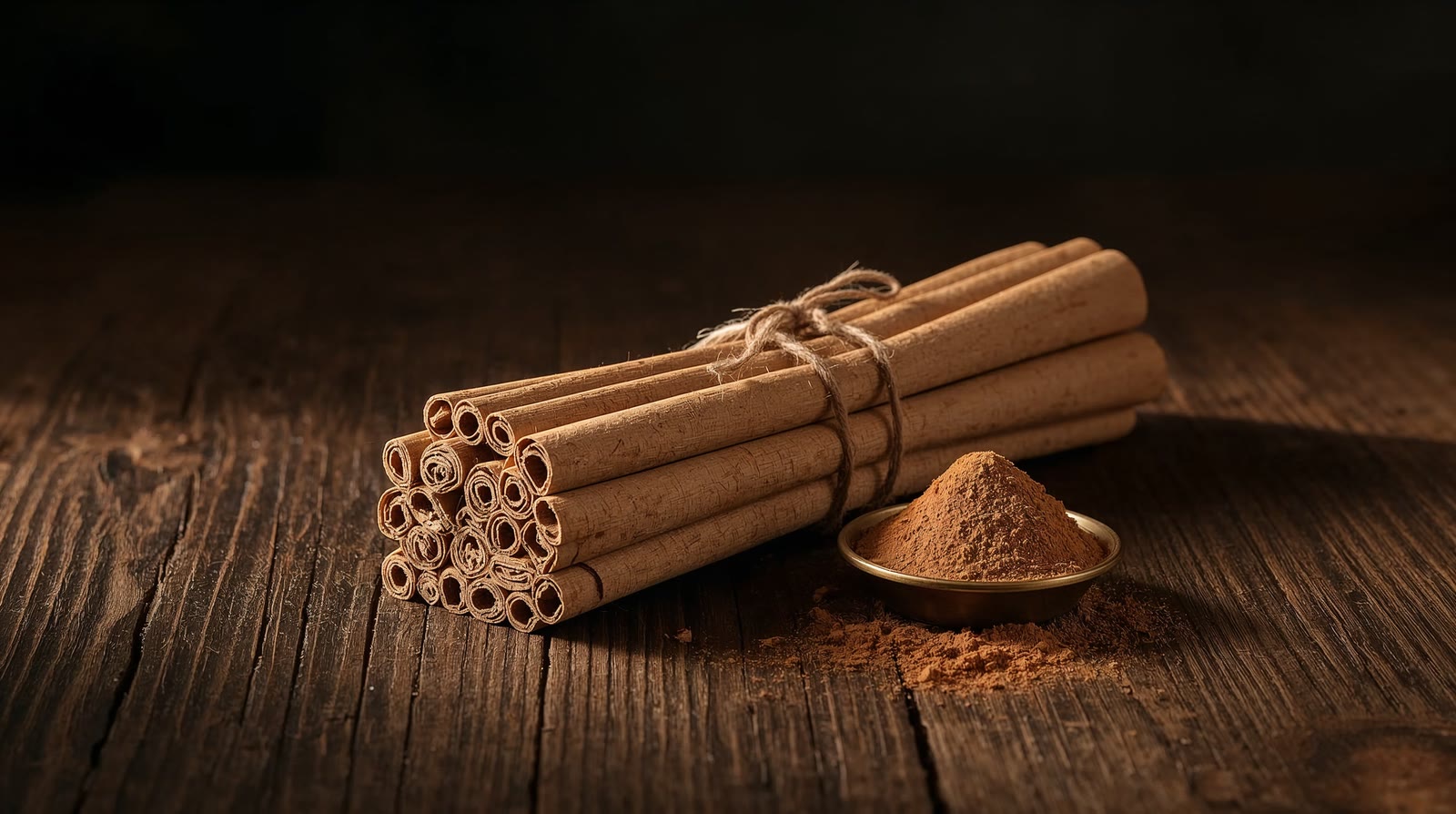
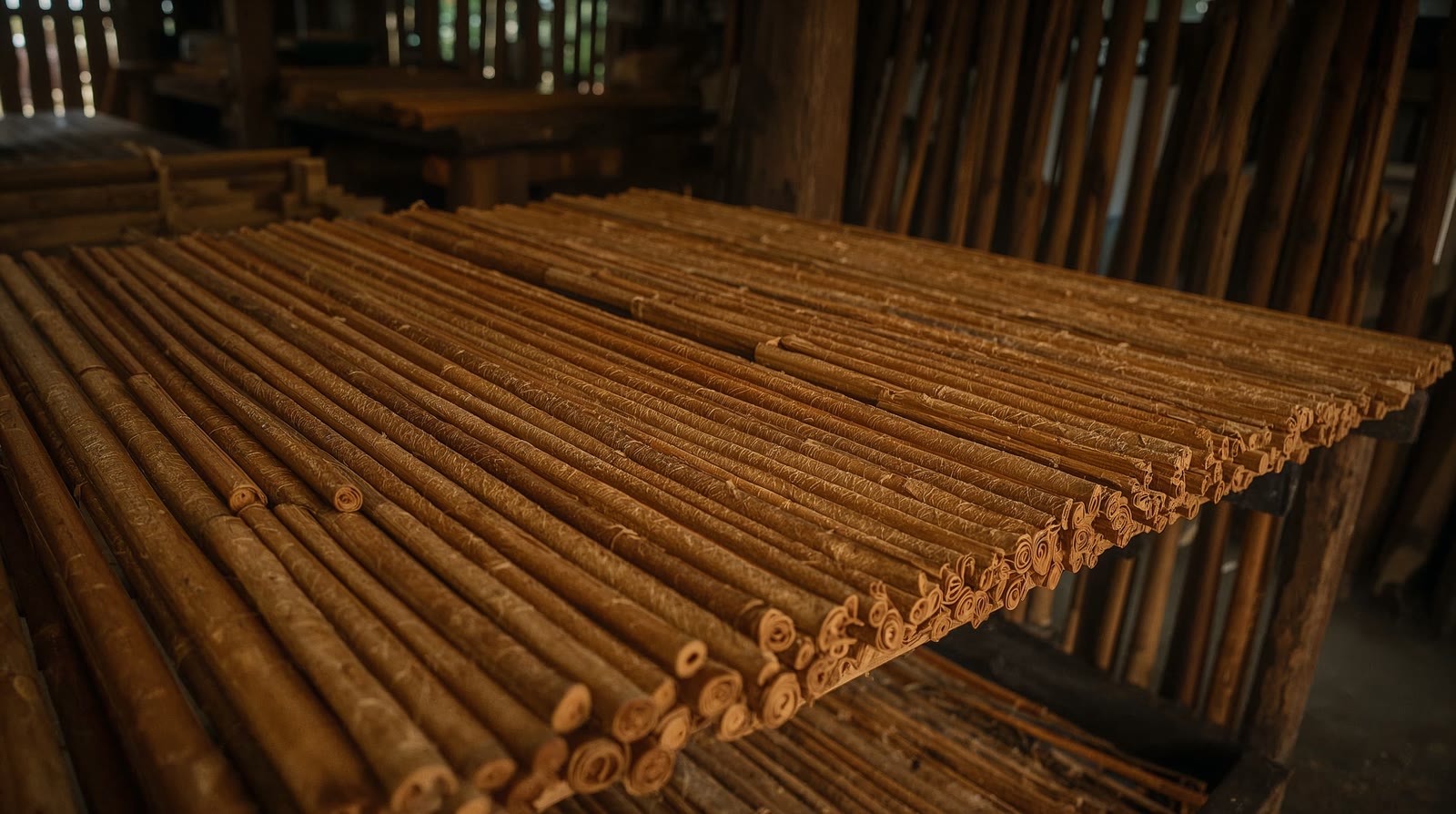
The strips are packed by hand, one inside another, into long quills, and dried slowly indoors.
- Step 1
- Rough outer bark is scraped away
- Step 2
- Thin inner bark is lifted in one piece
- Step 3
- Strips are packed by hand into long quills
- Step 4
- Dried slowly indoors
Know the difference
Ceylon cinnamon and cassia
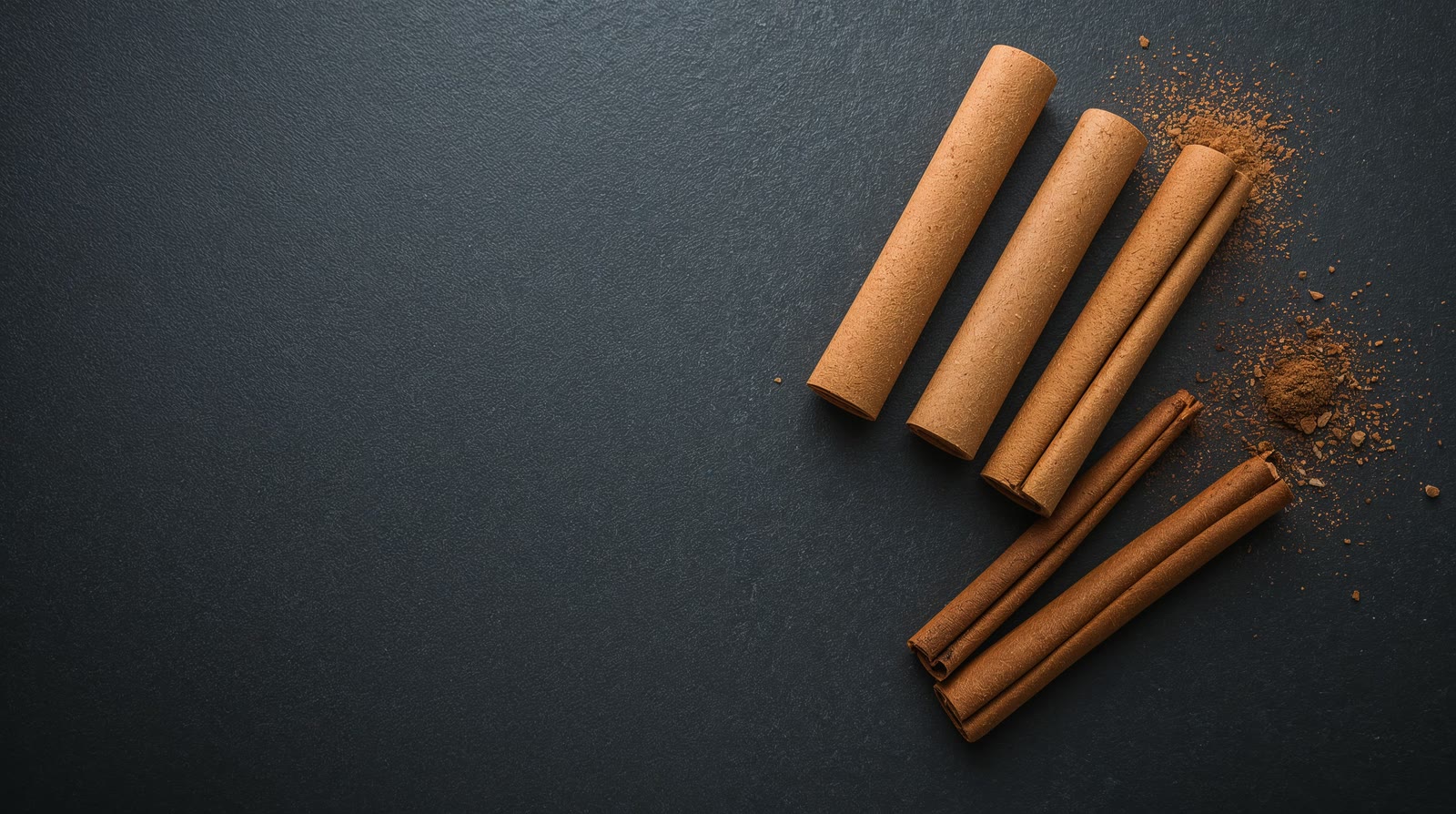
But not all cinnamon is the same. Much of the cinnamon sold around the world is cassia, a close relative.
Ceylon cinnamon is light brown, with many thin, soft layers, and a gentle, sweet taste. Cassia is darker, thick and hard, with a stronger taste.
There is another difference: a natural substance called coumarin, which in large amounts can harm the liver. Cassia can contain a lot of it. Ceylon cinnamon has only traces.
Inside the bark
Where the aroma comes from
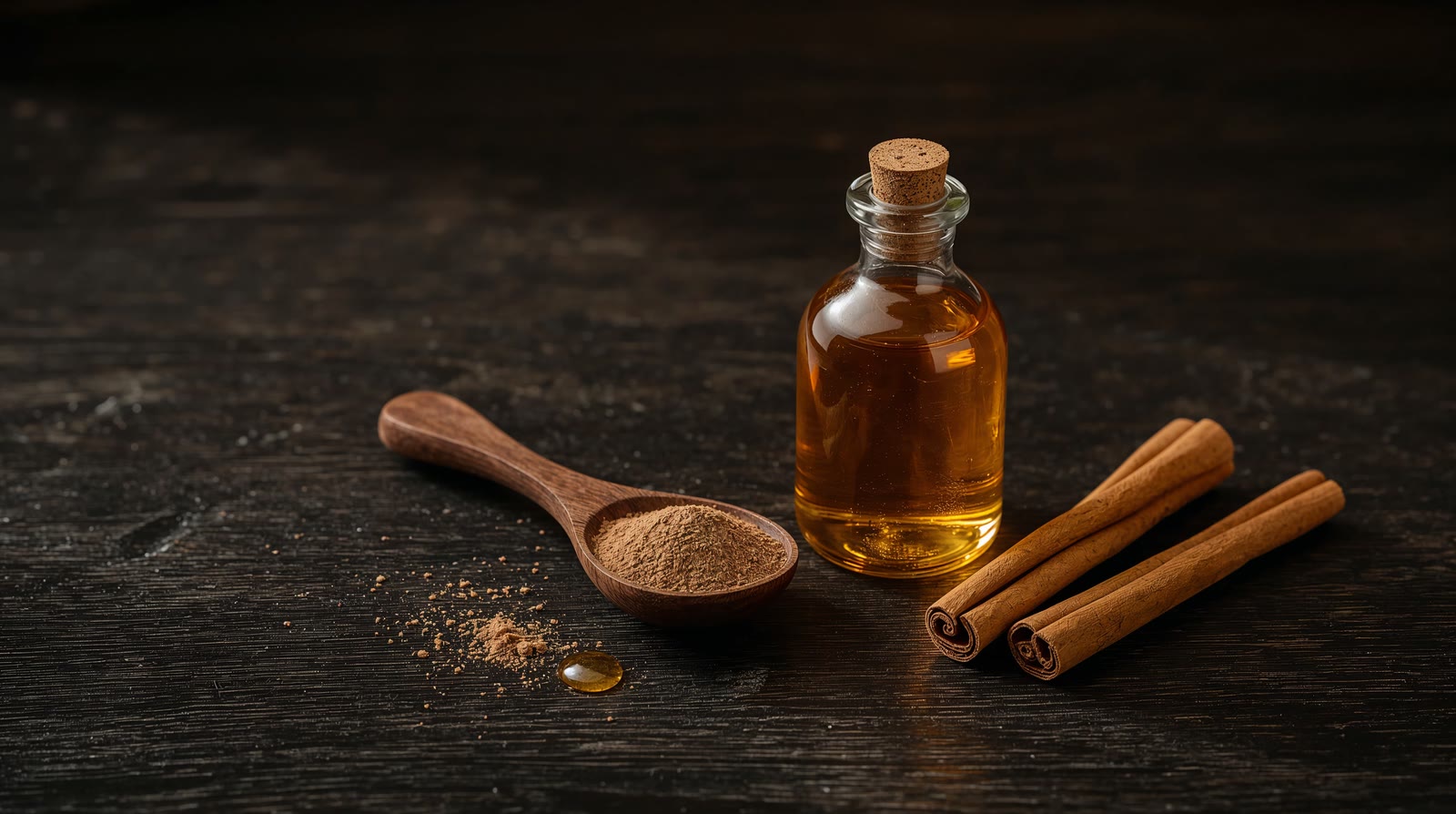
What gives cinnamon its warm scent and taste? An aromatic oil in the bark, rich in a compound called cinnamaldehyde.
The bark also holds polyphenols: natural plant compounds that act as antioxidants.
- Scent and taste
- Aromatic oil rich in cinnamaldehyde
- Plant compounds
- Polyphenols that act as antioxidants
Tradition and home
From medicine chest to kitchen
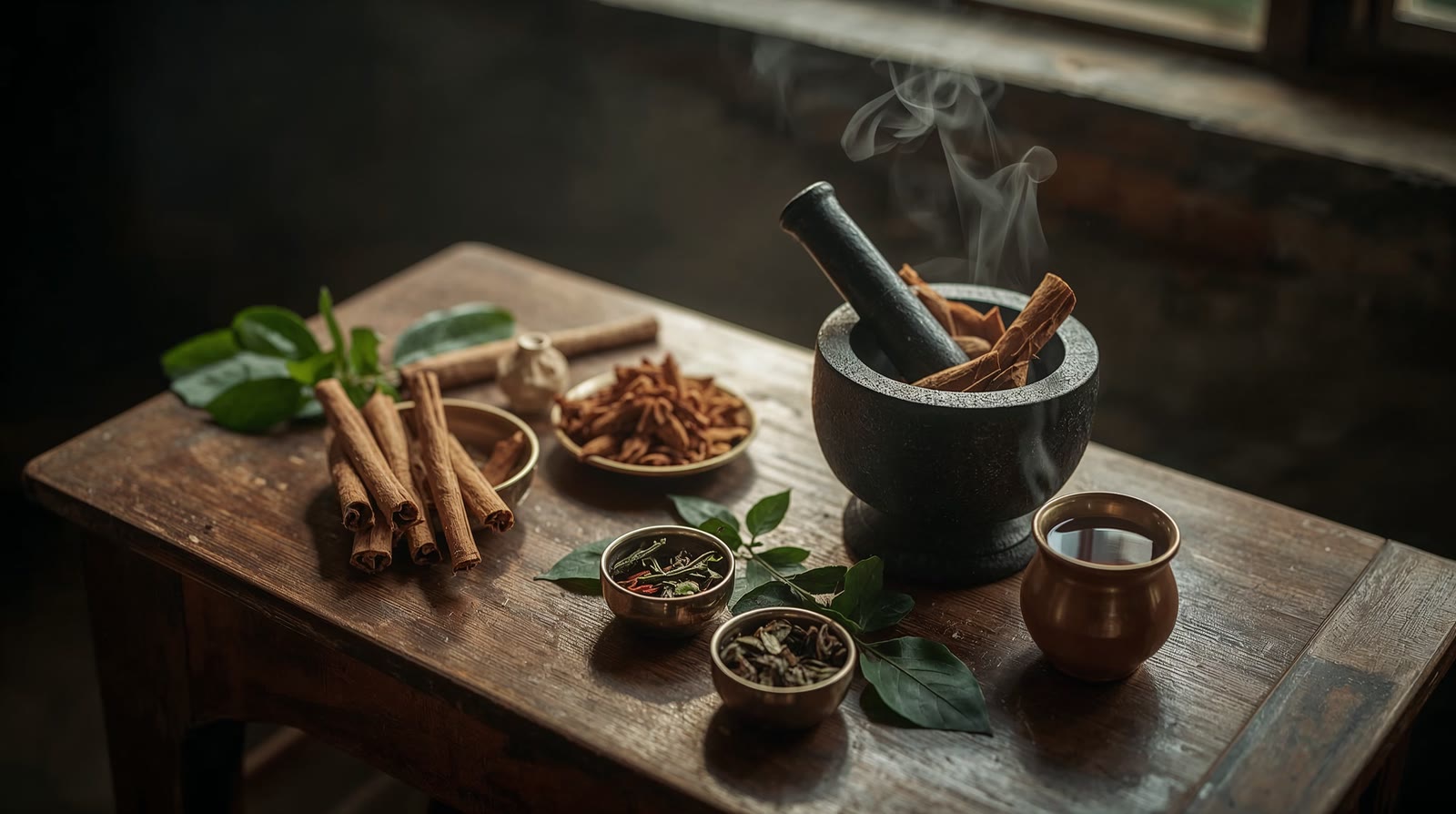
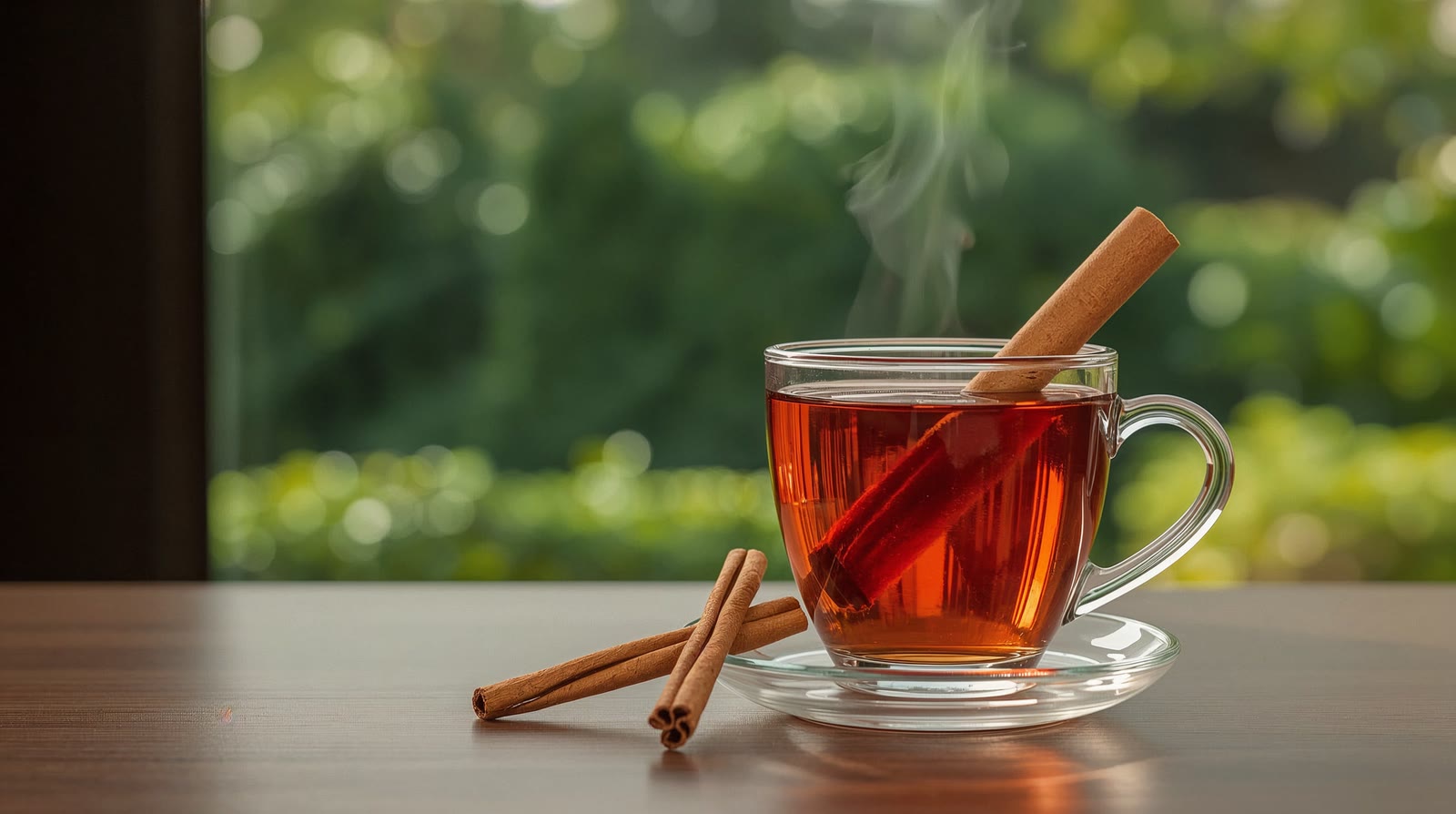
In Ayurveda and traditional medicine, cinnamon has long been used, for example for digestion, and for coughs and colds.
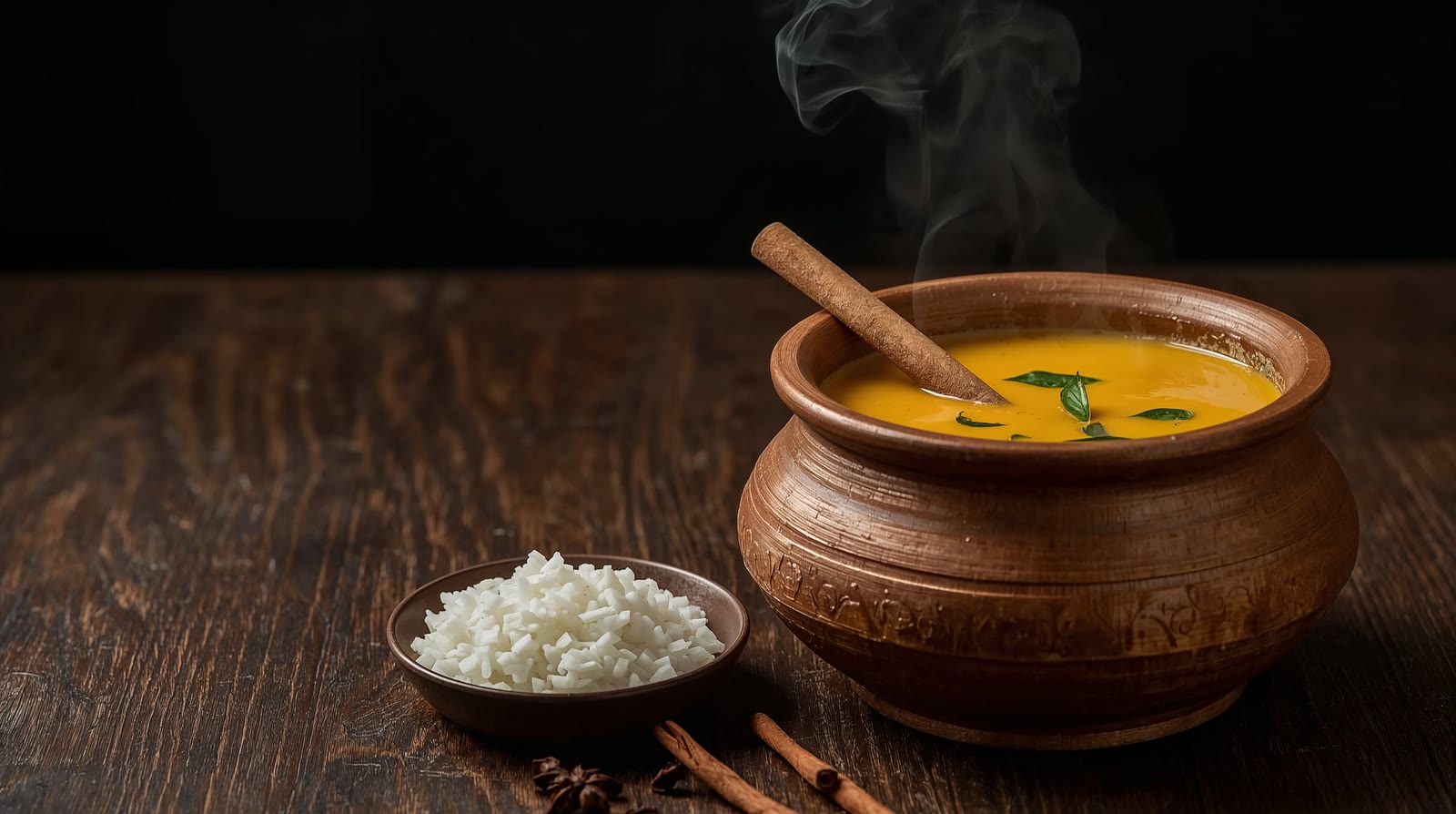
And in our kitchens, a small piece of cinnamon brings its fragrance to curries, rice, and sweets.
Many people also enjoy it in a warm cup of tea.
- Ayurveda and traditional medicine
- Digestion, coughs and colds
- In the kitchen
- Curries, rice and sweets
- And
- A warm cup of tea
Research
What does research say?
So, what does research say about its benefits?
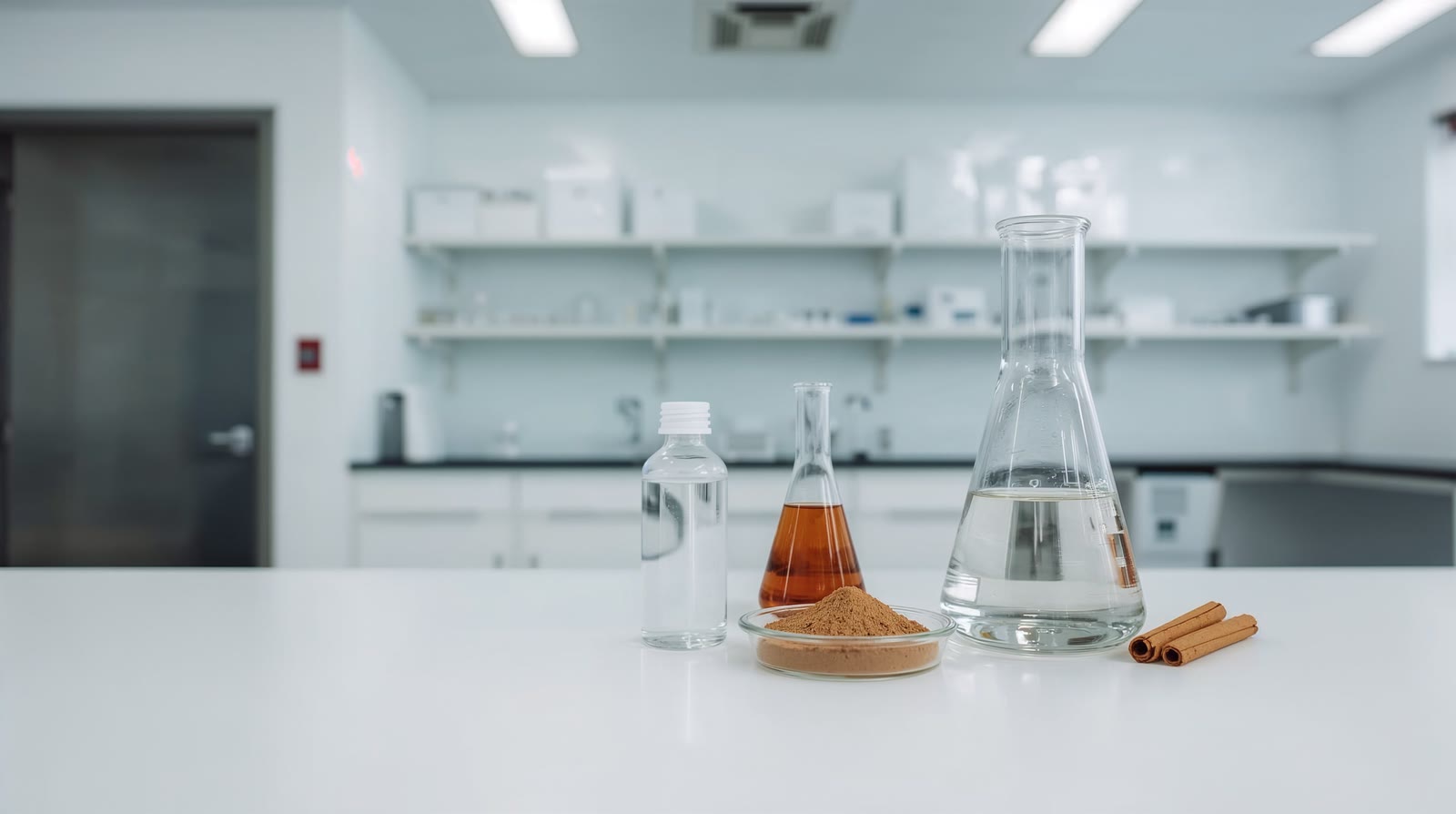
In laboratory and animal studies, cinnamon has shown antioxidant and antimicrobial effects.
Some studies in people found that cinnamon lowered blood sugar and cholesterol a little.
But the results are mixed, and scientists say better studies are still needed.
- Laboratory and animal studies
- Antioxidant and antimicrobial effects
- Some studies in people
- Slightly lower blood sugar and cholesterol
- But
- Mixed results: better studies are needed
Cinnamon
A gift of our island
Cinnamon. The bark of a tree that carried the name of Ceylon around the world.
A gift of our island, worth knowing, and worth protecting.
For general education only. This is not medical advice. Images are AI-generated illustrations, not documentary photographs.